NO TIMELY RESPONSE
Since 2012, law enforcement officers in Arizona have been tasked with enforcing one of the country’s most controversial immigration laws.
You are an officer with the Arizona Department of Public Safety.
You stop a driver on the highway.
You suspect the driver is in the country illegally.
Do you check their immigration status?
Whether you make a status check or not, if you suspect the driver is undocumented, thanks to SB 1070 you have some more paperwork to do.
Some of the most common factors listed that led officers to think a person was in the country illegally:
Driver didn't speak English
Didn't have a valid driver's license or an ID.
Do you search the car?
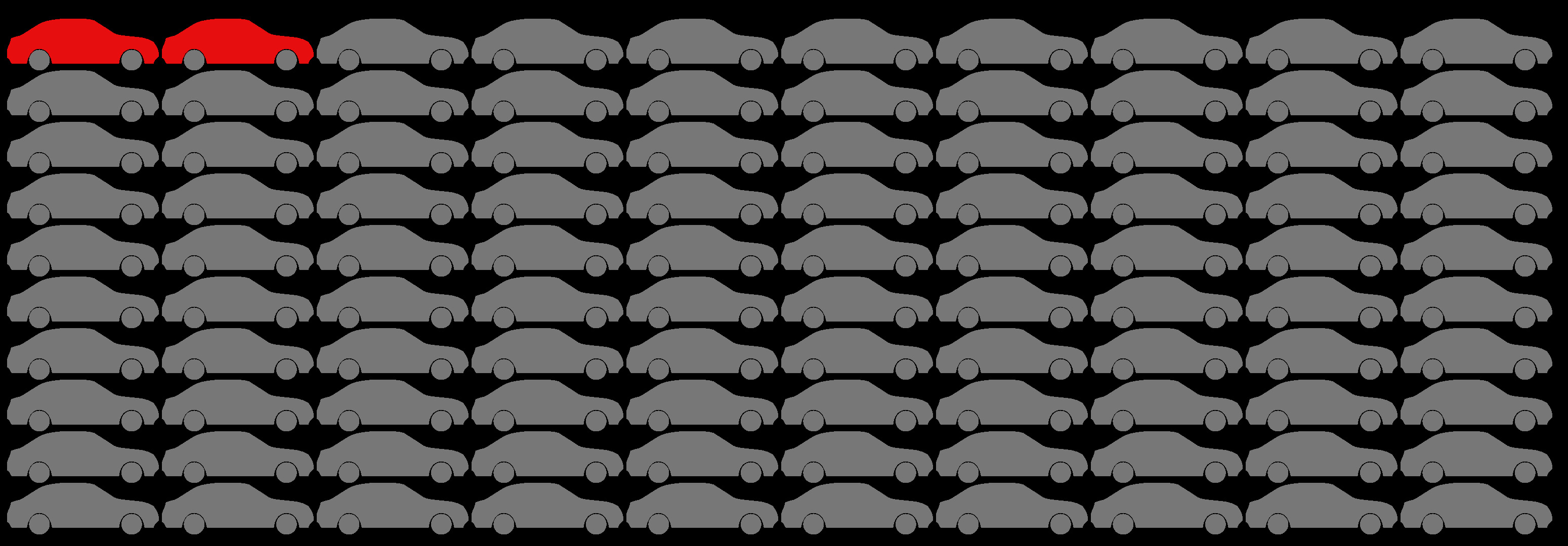
Vehicle searches occur in about 4 percent of all traffic stops.
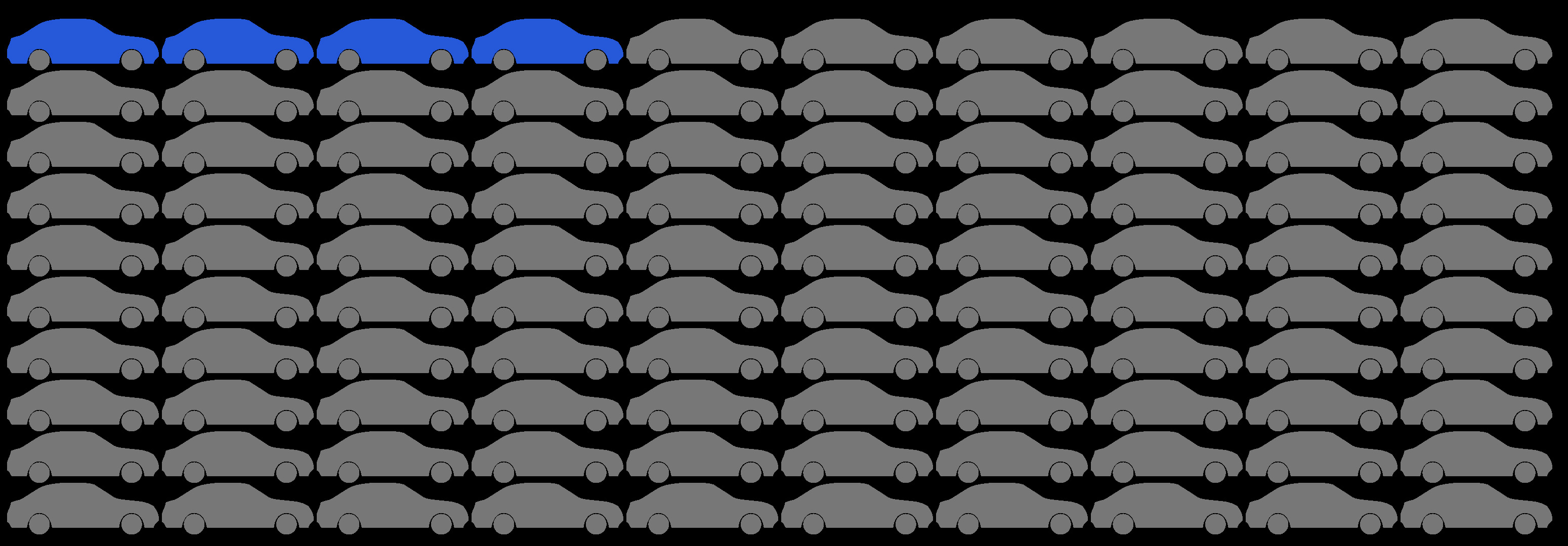
But vehicles are searched 65 percent of the time when an officer marked an immigration check.

You suspect the driver is undocumented.
Do you call the feds?
Even when a call is made, federal officials didn't show up for about 13
percent of traffic stops with immigration
checks.
At least 5
percent of the time, immigration officials took so long
responding that officers had to release the person to avoid running
afoul of constitutional time limits.

How does your stop end?
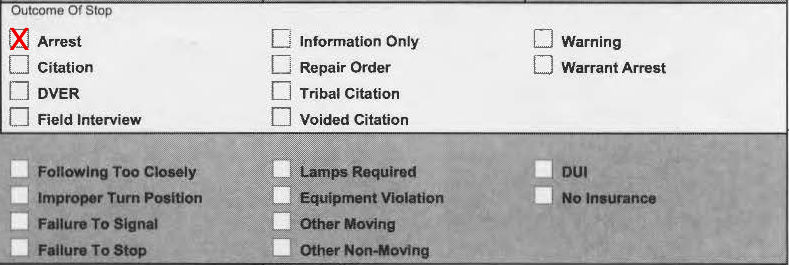
42 percent of cases where there was an immigration check end in arrest.
Overall, only 1 percent of DPS stops end with someone detained.
78 percent of cases where there was an immigration check involve a citation, compared to 45 percent of overall stops.
No license is the most common citation for people whose immigration status is checked.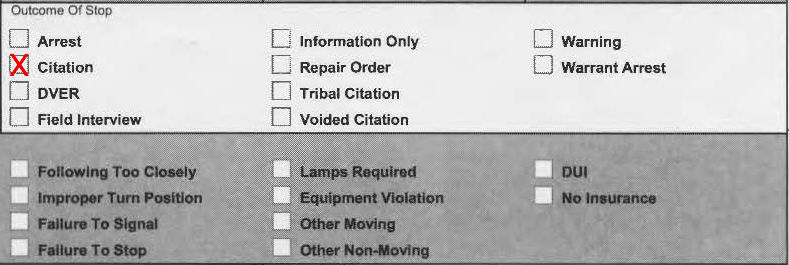
Because of this, a vehicle is impounded 41 percent of the time in these cases.
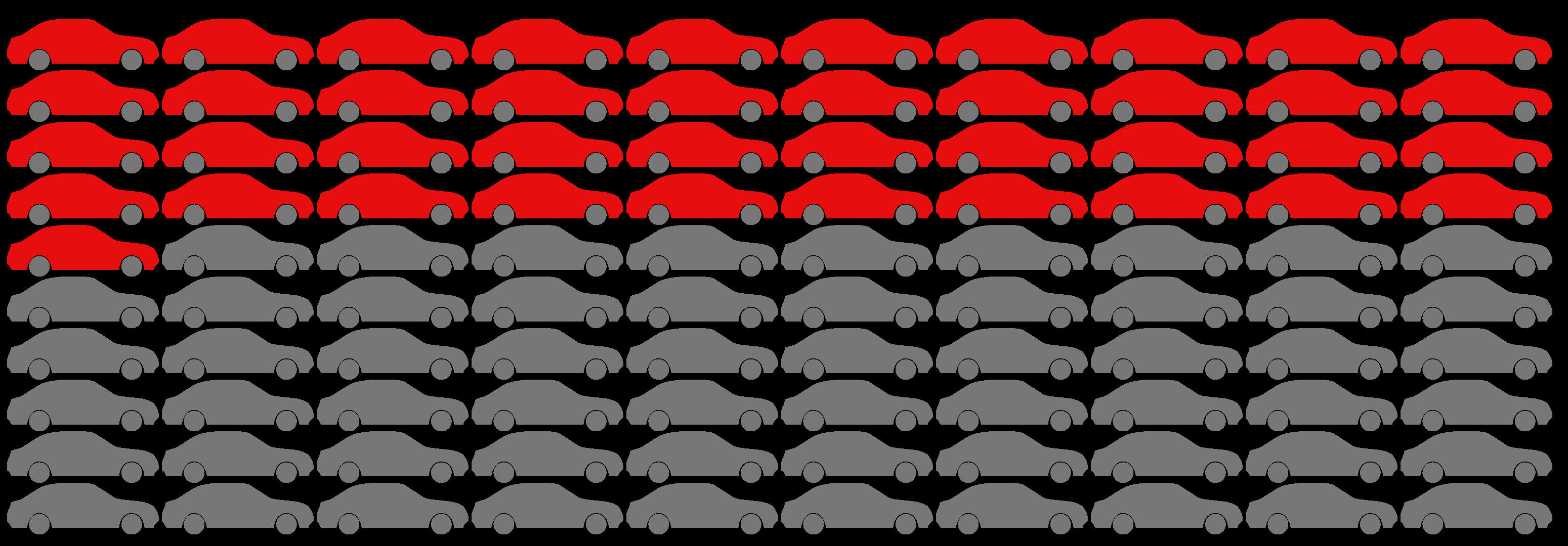
Compared to 2 percent of the time for all traffic stops, regardless of whether or not the status was checked.